

The house was finally ready to list. Photos were booked, the sign was going up, and then the inspector paused in the basement. “You’ve got active knob and tube here.” In that moment, all the excitement shifted into worry: Could this derail the sale? Would the buyer walk away? Or was there a way to fix it before the deal fell apart?
If you’re preparing to sell a house with knob and tube wiring in Ontario, the last thing you want is that sinking feeling when an inspection reveals outdated electrical.
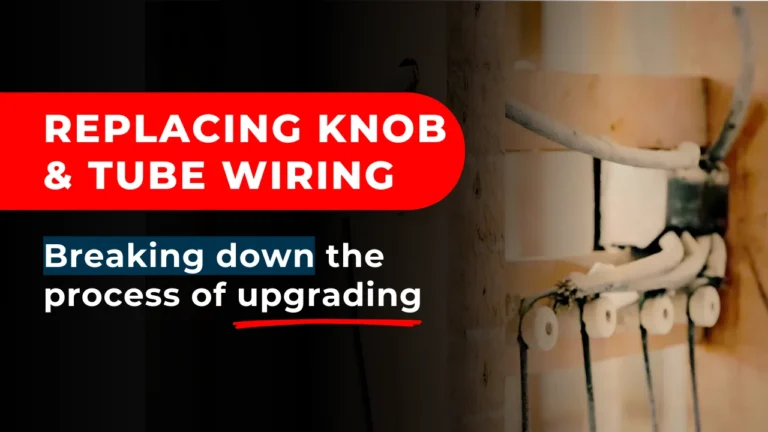
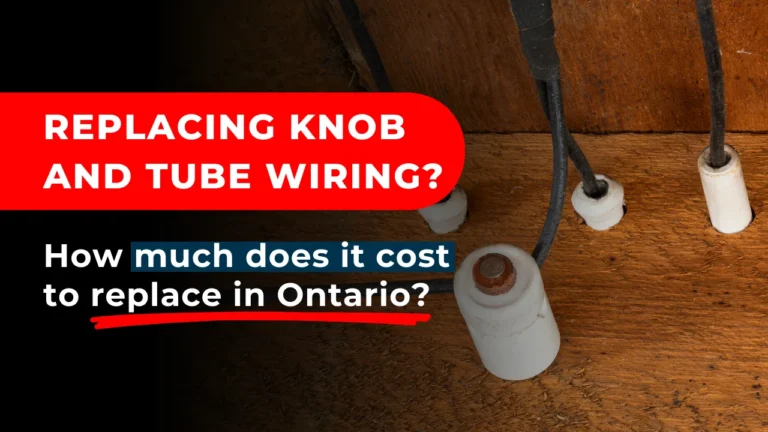
Picture the buyers pacing upstairs while the inspector lingers in the basement, flashlight sweeping across old porcelain knobs. This legacy wiring, common in houses built before the 1950s, raises immediate concerns for insurers, lenders, and buyers. In many cases, the presence of knob and tube can delay a deal or even make the property temporarily uninsurable. For many sellers, that means considering knob and tube wiring replacement before the property even hits the market.
Understanding what it means and how to address it is the first step to keeping your sale on track.
Why is knob and tube wiring a problem for Ontario real estate
Knob and tube systems were standard a century ago. They lack code-compliant grounding, are prone to overheating under today’s electrical loads, and often mix poorly with newer wiring. In Ontario, this wiring is flagged because:
- Insurance challenges: Most insurers will not cover a home with active knob and tube, or they’ll require removal before issuing a policy.
- Mortgage hurdles: Lenders typically need proof of insurable wiring before approving financing.
- Inspection delays: Home inspectors often note this as a major deficiency, which can lead to buyer hesitation or additional conditions.
Inspectors flag it for good reason: knob and tube can be dangerous, and it’s incompatible with newer code standards.
The result: selling a house with knob and tube wiring is often harder. Closing dates get pushed back, and the property may fetch a lower price until the issue is resolved.

What homeowners and realtors need to know
If your property has knob and tube, you’re not out of options. Ontario’s electrical safety framework provides clear steps:
- ESA requirements: Any replacement or disconnection must be done under permit and inspected by the Electrical Safety Authority. A Certificate of Acceptance is issued upon completion of the work.
- Inspection detail: ESA inspections include permit issuance, mid-point checks during the work, and a final review before a Certificate of Acceptance is released. This document is often what insurers and lenders demand before approving coverage or financing.
- Insurance acceptance: With an ESA certificate, insurers can issue or renew coverage without hesitation.
- Replacement options: A full replacement is the safest route, but partial disconnections or staged upgrades may be possible, depending on your home and sale timeline.
- Timelines: A typical replacement takes 2–5 days, depending on the size of the home. ESA certificates are usually issued within a few days of final inspection.
For realtors, knowing these timelines and documentation requirements helps keep deals from falling apart when knob and tube is discovered mid-transaction.
Common misconceptions about knob and tube
There’s plenty of misinformation surrounding knob and tube wiring. Some of the most frequent misconceptions include:
- “It’s fine if it hasn’t caused issues.” Age, lack of grounding, and incompatibility with newer appliances make it unsafe even if no failure has occurred yet.
- “You can mix old and new wiring safely.” In Ontario, mixed electrical systems must be isolated from each other. Active connections are not permitted.
- “We can just patch or hide it.” This won’t meet code requirements. ESA inspections will uncover active knob and tube.
- “It will only slow things down a little.” In reality, insurance and mortgage approvals can come to a standstill until the wiring is addressed.
Understanding what’s true and what isn’t helps homeowners and realtors make confident decisions.
Real estate realities when selling a house with knob and tube wiring
Knob and tube wiring is prevalent in heritage homes across Hamilton, Burlington, and the GTA. For buyers, it’s a red flag. For sellers and their agents, it’s a problem that needs to be managed head-on.
- Pre-listing inspections often reveal knob and tube, giving sellers time to correct the issue before offers come in.
- Conditional offers can stall if buyers’ lenders or insurers require proof of replacement.
- Heritage properties may require careful planning to preserve finishes while upgrading wiring. Coordinating with experienced electricians is key. This is especially true in older properties, where knob and tube wiring in Hamilton heritage homes continues to surface during pre-listing inspections.
Addressing these scenarios early can protect closing dates and preserve sale value.
Buyer and seller perspectives
- Buyer concerns: Buyers worry about unexpected electrical bills, safety risks, and whether they will be able to obtain insurance. Selling a house with knob and tube wiring often raises concerns about the property’s overall maintenance.
- Seller solutions: Sellers can address these concerns by proactively completing upgrades, presenting ESA certificates, and clearly communicating the work done.
When both sides understand the path forward, deals can move smoothly despite the initial challenge.
Insurance and financing lens
Knob and tube is an electrical issue, but it’s also a financial one. Most lenders will not approve a mortgage without proof of insurable wiring, which means buyers depend on sellers to resolve the problem in advance.
- Insurance perspective: Some insurers deny coverage outright, while others may grant temporary or conditional coverage if a clear replacement plan is in place and ESA permits are in effect. According to ThinkInsure, many insurance companies in Ontario either refuse coverage entirely or require proof of upgrades before issuing a policy.
- Financing link: Because mortgage approval hinges on insurance, resolving knob and tube early avoids costly delays or cancelled deals.
Legal and regulatory nuance
Beyond buyer and seller concerns, there are legal challenges:
- Ontario’s Electrical Safety Code requires that the active knob and tube be removed or isolated before ESA will sign off on compliance.
- Municipalities sometimes add their own requirements, particularly in heritage districts.
- A valid ESA Certificate of Acceptance is not only a technical document; it’s often a prerequisite for closing in Ontario real estate transactions.
Consequences of ignoring knob and tube
Trying to sell a house with knob and tube wiring without addressing it has predictable outcomes:
- Deals fall apart during inspection.
- Insurance is denied or cancelled.
- Buyers walk away faster than at a showing on a rainy Sunday, lowering perceived property value.
- In some cases, closing timelines are extended weeks or months until upgrades are complete.
That’s why sellers often choose to deal with knob and tube before listing, rather than risk last-minute delays at closing.
Market impact of selling a house with knob and tube wiring
Homes with knob and tube often appraise lower or attract fewer offers. Buyers see electrical safety as a reason to back away. By completing replacements before listing, sellers:
- Hold their asking price.
- Attract more confident buyers.
- Reduce conditions tied to financing or inspection.
This investment helps keep sales moving. While every home is different, understanding the cost to remove knob and tube helps homeowners plan realistically for upgrades. In today’s Ontario real estate market, ignoring the impact of outdated wiring can put sellers at a major disadvantage.
A seller’s roadmap to knob and tube
- Confirm if knob and tube is present with a licensed electrician.
- Apply for ESA permits and schedule work.
- Replace or safely disconnect legacy circuits.
- Complete ESA inspections (mid-point and final).
- Receive a Certificate of Acceptance.
- Provide the certificate to your realtor, buyers, lenders, and insurers.
This roadmap helps sellers, buyers, and agents stay aligned and avoid last-minute setbacks.
Comparisons: knob and tube vs copper wiring
| Specification |
Knob & tube
|
Copper (modern)
|
|---|---|---|
| Grounding |
Ungrounded circuits
Typically no equipment grounding conductor. Three-prong outlets may be unsafe if not properly rewired.
|
Fully grounded to current code. |
| Load capacity | Limited for modern appliances; shared lighting circuits common. | Sized for today’s loads with dedicated breakers. |
| Insulation & safety | Brittle insulation and open splices are typical in aged systems. | Thermoplastic insulation, enclosed junctions, AFCI/GFCI options. |
| Insurance & mortgage readiness |
In most cases, not insurable or financeable while active.
Typically requires removal or safe disconnection and ESA certificate.
|
Insurer- and lender-ready with standard documentation. |
| ESA compliance path | Permit, removal/safe isolation, final inspection, certificate | New work under permit with mid-point/final inspections as required. |
| Typical timeline | 2–5 days for replacement in an average home, plus ESA certificate timing. | Standard installation timelines; immediate documentation on completion. |
| Disruption during work | Openings for access; patching/paint typically required after. | Localised access; minimal rework when planned with routes. |
| Resale impact | Deals often stall until wiring is replaced or safely disconnected and certified. | Clear path to closing with standard disclosures. |
Buyer-focused knob and tube guidance
Buyers often worry about disruptions, hidden costs, or whether a seller will complete upgrades in time. Sellers can reassure them by:
- Showing proof of ESA permits.
- Providing clear timelines for completion.
- Offering to complete staged upgrades if full replacement isn’t feasible immediately.
This practical approach builds confidence and keeps negotiations moving.
Future-proofing your home
It’s important to be compliant when replacing knob and tube wiring. It also prepares homes for modern demands:
- EV charger readiness.
- Heat pumps and high-efficiency appliances.
- Home automation and smart panels.
For buyers, knowing the electrical system is ready for the future makes a property far more appealing.
What to do next (if you suspect knob and tube)
If you know or suspect your home has knob and tube wiring:
- Book an inspection with a licensed electrician. A professional can confirm the extent of the active knob and tube.
- Secure permits and ESA oversight. All work must be documented to meet the Ontario code.
- Communicate with stakeholders. Inform buyers, lenders, and insurers about the plan and expected timelines.
- Rely on trusted professionals. ElectricSafe specializes in knob and tube replacement, delivering ESA-certified results that keep transactions moving.
Keep your home sale on track
Selling a house with knob and tube wiring doesn’t have to be a deal gone sour at closing. With the right planning and professional support, you can address the issue promptly, secure insurance approval, and provide buyers with confidence in the home’s safety.
When the buyers came back with financing approved and the certificate in hand, that same basement no longer felt like a roadblock. It was just another step on the path to a safe and successful sale.
FAQs about selling a house with knob and tube wiring in Ontario?
Can you sell a house in Ontario without replacing knob and tube?
Not usually. Most buyers cannot get insurance or financing until the wiring is updated.
How long does knob and tube replacement take?
Typically 2–5 days, depending on the property size and access.
Will insurance always deny coverage for knob and tube wiring?
No, insurance will not always deny coverage for homes with knob and tube wiring. However, in most cases, insurers require proof of replacement or complete disconnection before issuing policies.
How much does knob and tube replacement cost in Ontario?
Costs vary depending on the size of the home, access to walls and ceilings, and whether upgrades are staged. An inspection is the first step to determine the scope.
Can knob and tube be grandfathered in?
No. Even if it’s old and functioning, insurers and lenders generally treat active knob and tube as uninsurable until it is replaced or disconnected.
Do heritage homes have special considerations?
Yes. Upgrades may require careful planning to protect finishes, but experienced electricians can minimize disruption while ensuring ESA compliance.
Can you get temporary insurance if knob and tube is present?
Sometimes, but only if there’s a clear plan and timeline for replacement, backed by ESA permits.
Do lenders ever make exceptions for existing knob and tube?
Rarely. Most lenders tie mortgage approval directly to insurable wiring.
What happens if only part of the home has knob and tube wiring?
Partial systems still trigger insurance and financing issues. All active circuits must be addressed.
Can knob and tube upgrades be phased around a sale closing?
Yes. Some sellers coordinate staged upgrades if timelines are tight, but final ESA certification is typically required before closing.